Jardines de la Reina
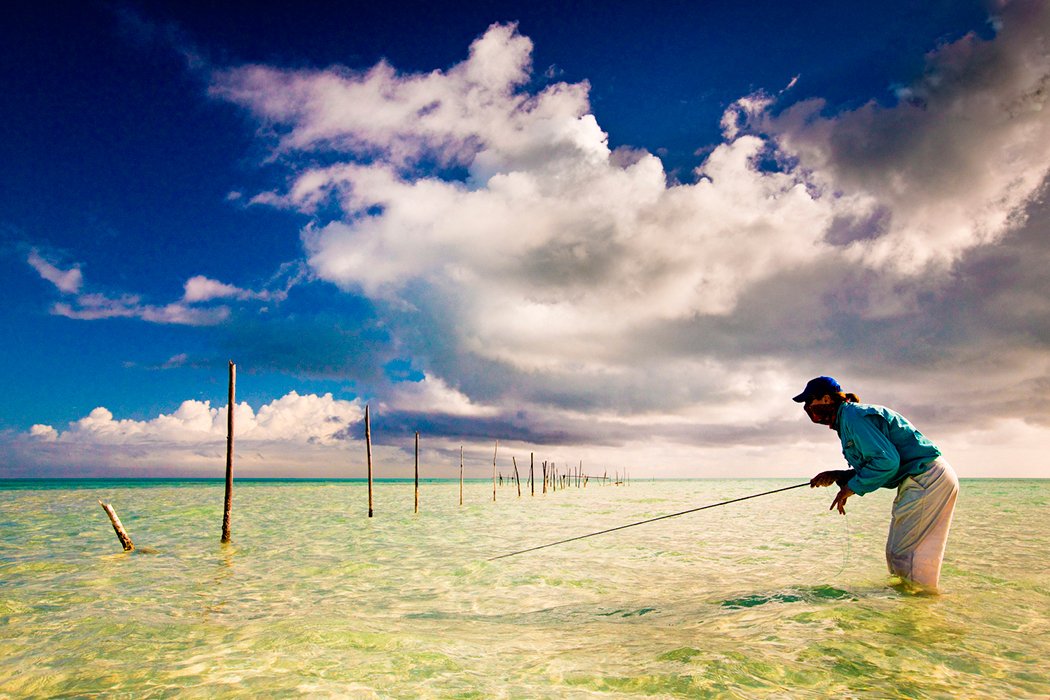
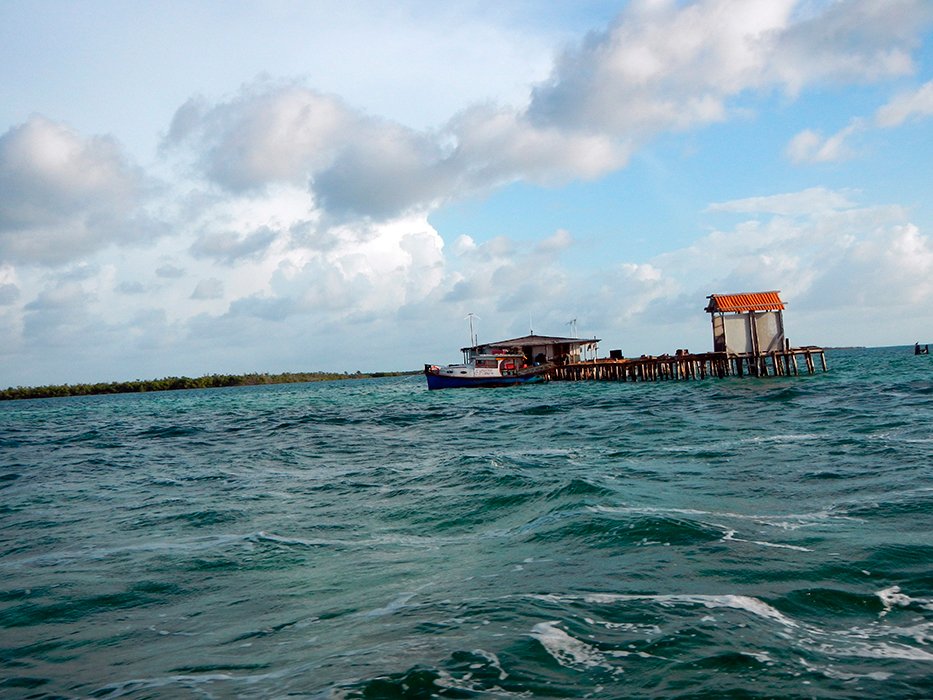
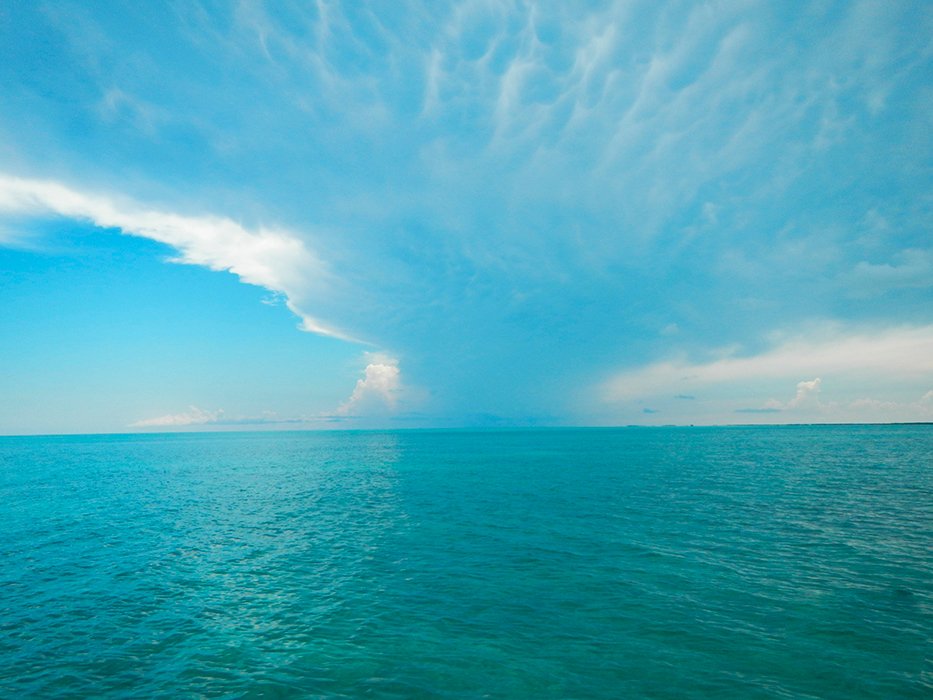
An archipelago in the southern part of Cuba, in the provinces of Camagüey and Ciego de Ávila.

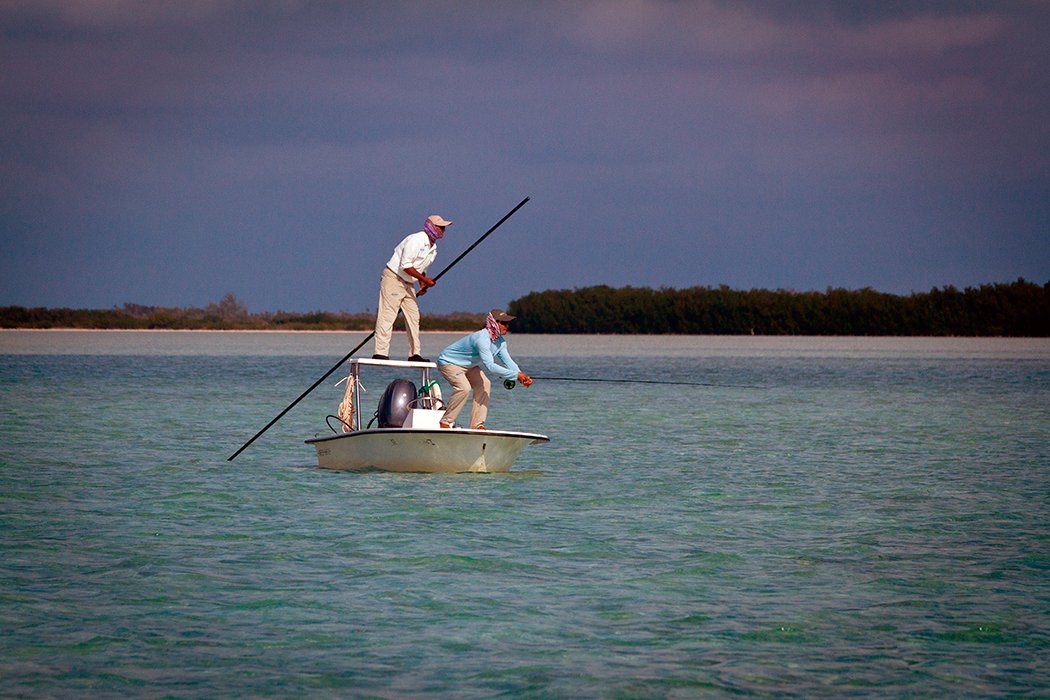
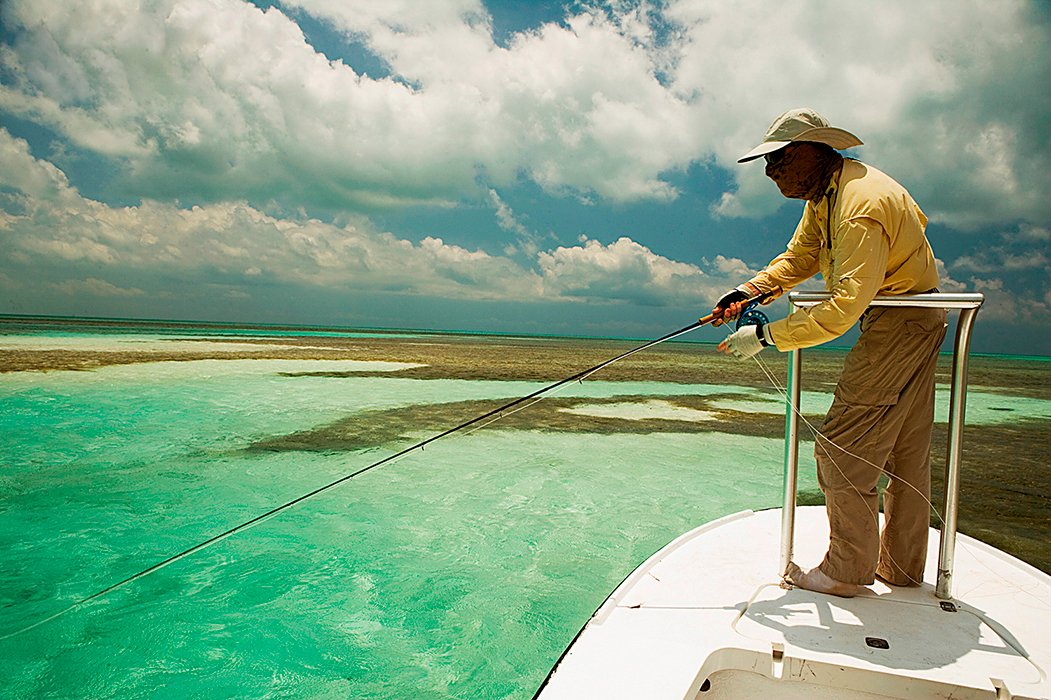
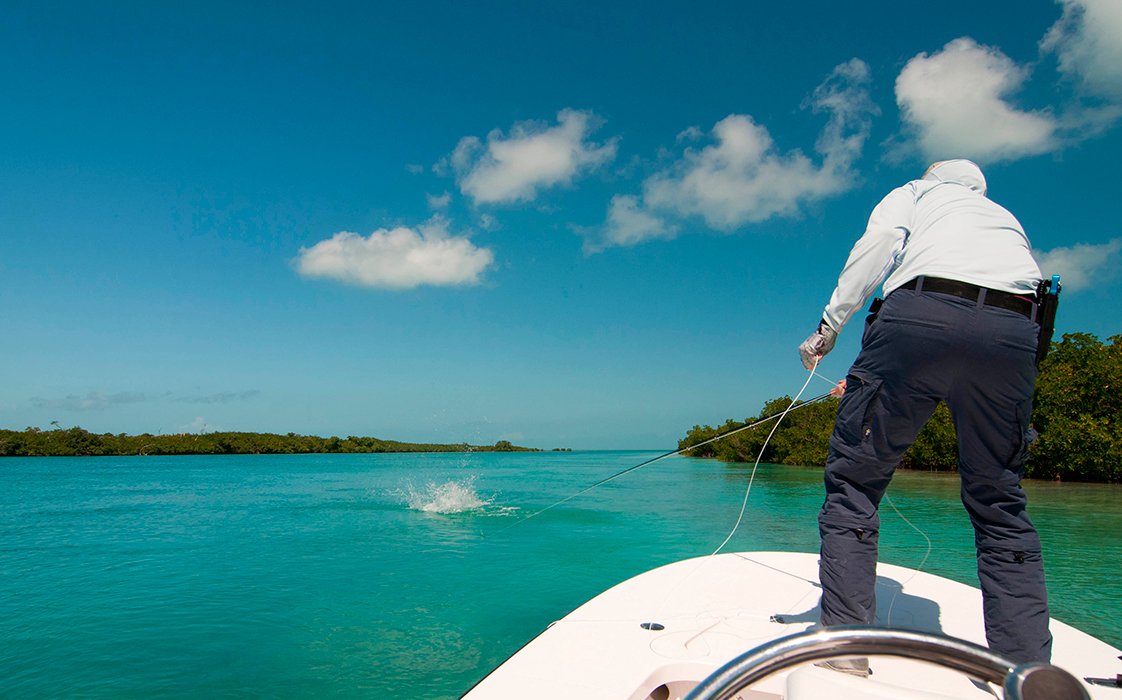
We agreed to limit the number of tourists, jealously observe carrying capacity limits and good practices, have implemented a rotation system of fishing zones and limited the number of skiffs. We also continue working to diversify the options of low-impact activities for visitors, while excluding other that could represent some risk to biodiversity and ecosystems.
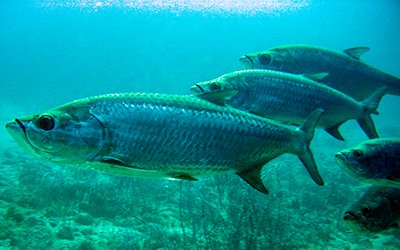
It is our policy to minimize pollution, and reduce the generation of solid waste in Jardines de la Reina National Park. We provide our live-boards with technology and procedures to avoid direct dumping of waste and ballast waters in the park. However, your contribution to this objective is what ultimately will determine our achievements on this regard.
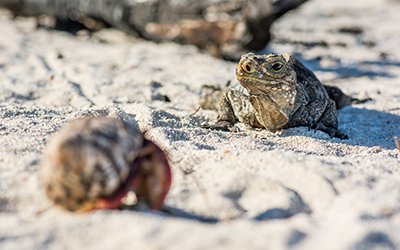
We are committed to share the economic benefits of tourism operations. The contribution of the clients continue guaranteeing the long-term effective protection of the natural wonders you are privileged to enjoy in Jardines de la Reina National Park. Additionally, we are educating and training for those who are disadvantaged in society, building seamless pathways of education that connect basic education, vocational training, labor market entry and lifelong learning.
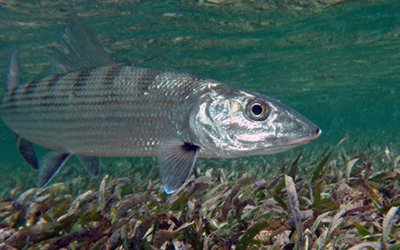
Helping the development of a science-based, up to date, clear and accepted regulatory framework, through a new management plan with PM with an accepted zoning and clear regulations for all the users of the area. Facilitating a better management system to face potentially increase of demand of access to the park. Sharing information and assisting in field enforcement and monitoring
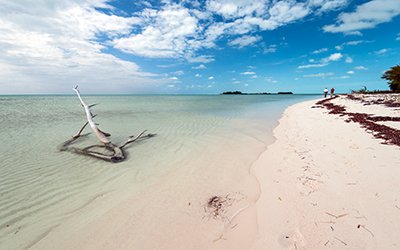
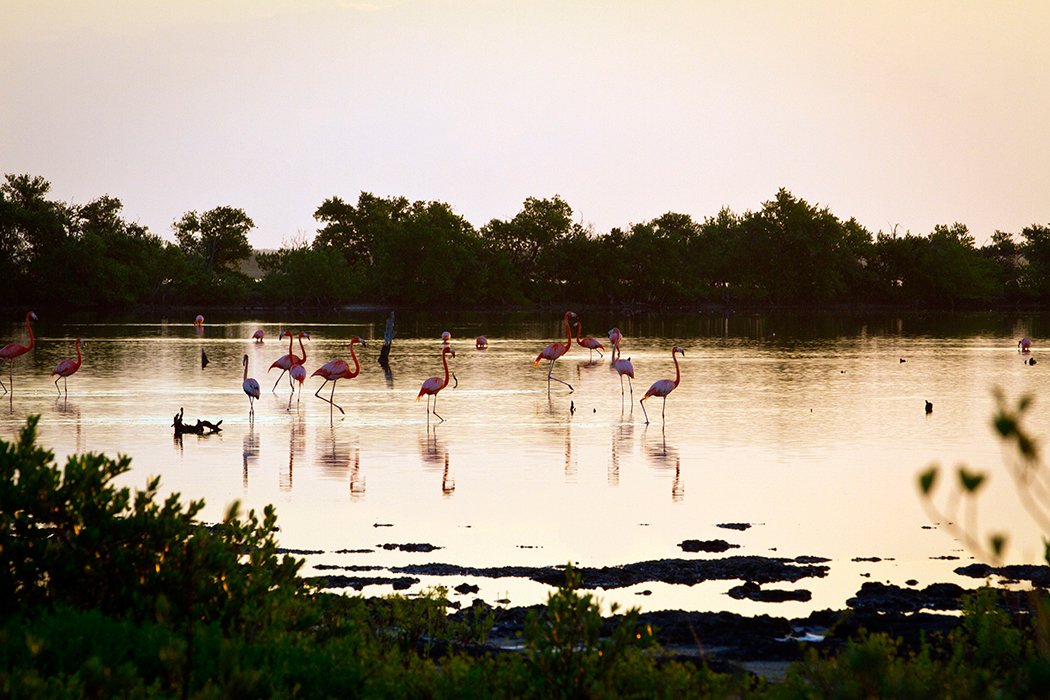
We support research, monitoring, and conservation and sustainable use projects in the park and its surrounding areas. We must to explore new avenues to continue deepening the scientific knowledge that hold up wise management decision in the park.
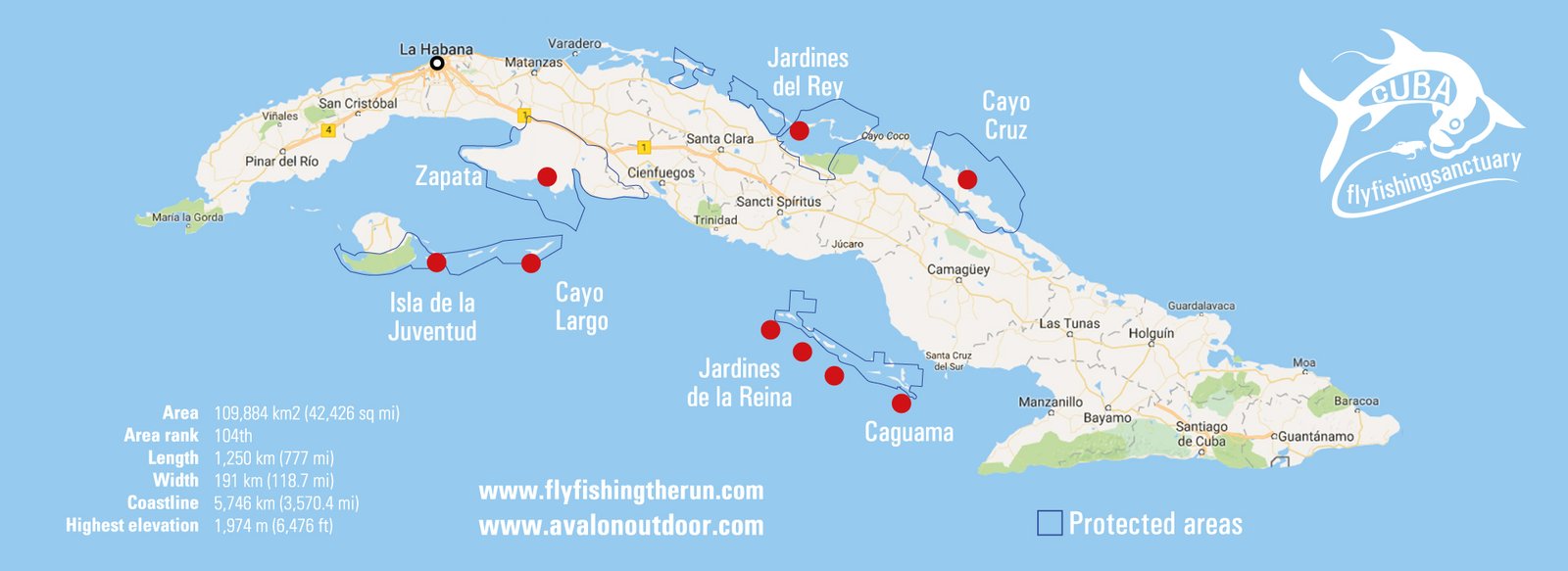
An archipelago in the southern part of Cuba, in the provinces of Camagüey and Ciego de Ávila.
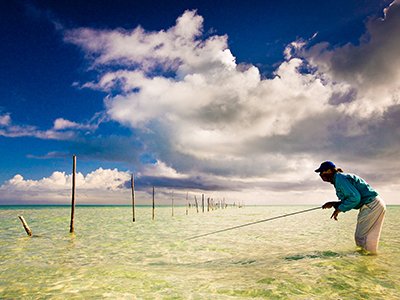
A small island, off the south coast of the northwestern part of the main island in the Caribbean Sea.
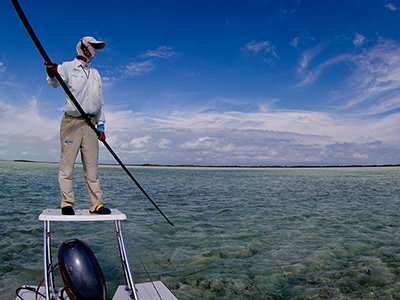
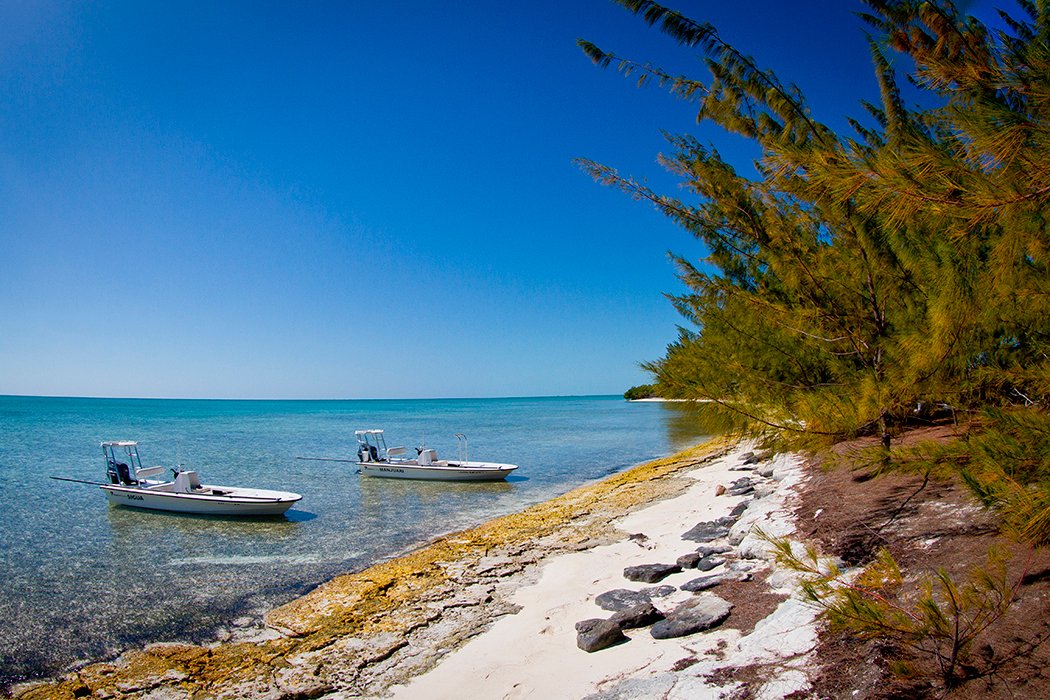
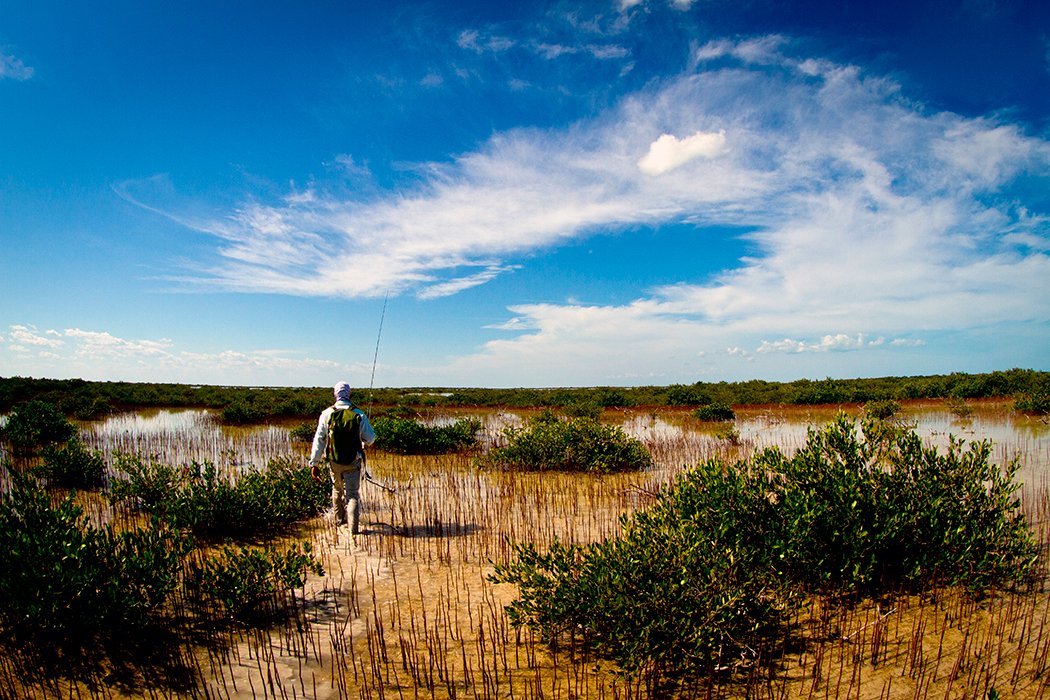
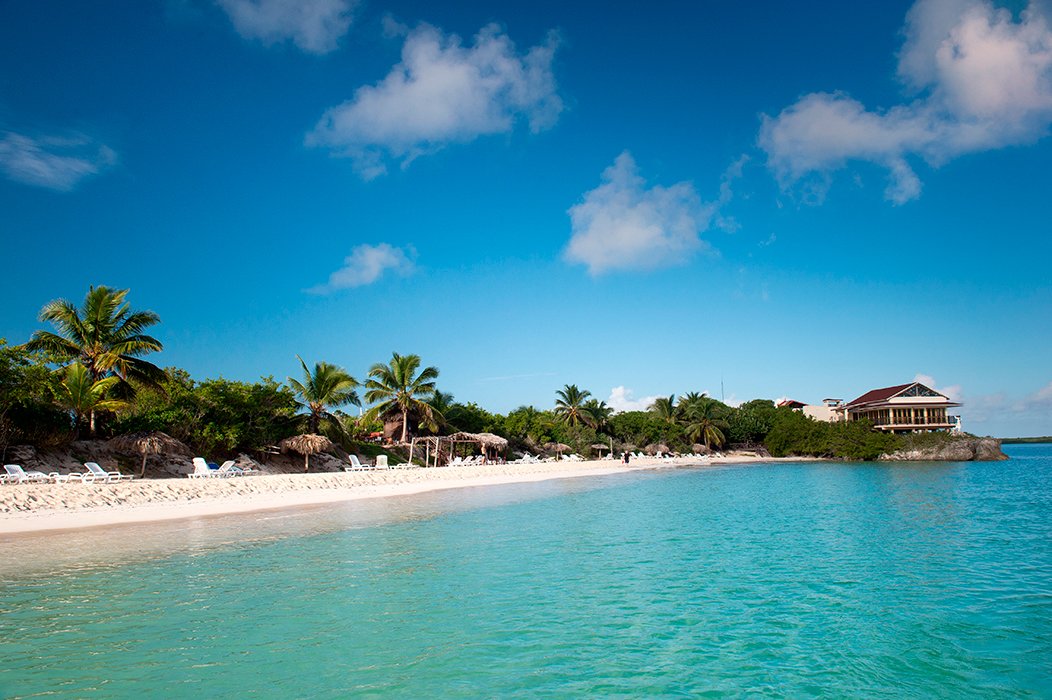
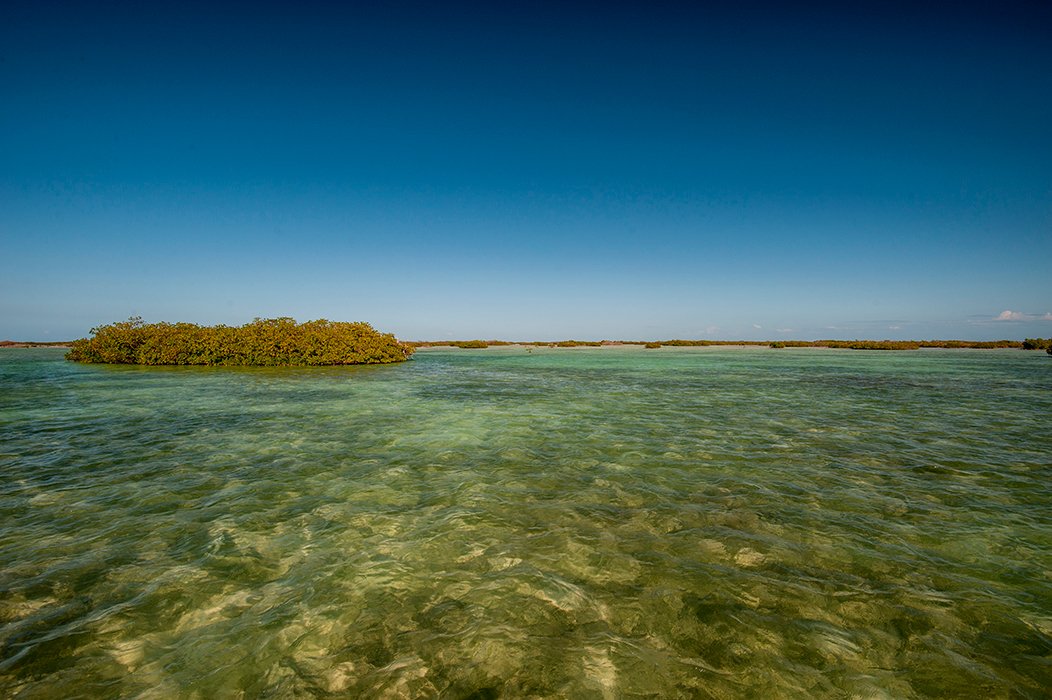
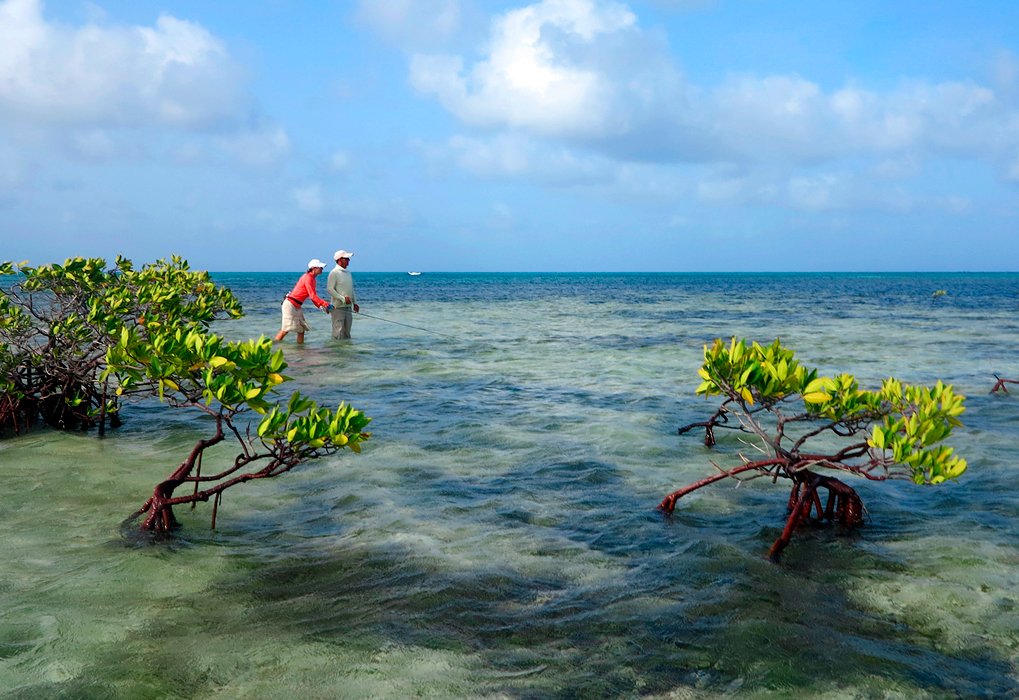
The beaches stretch along the north-eastern coast of the cay, while the western coast is covered with mangroves.
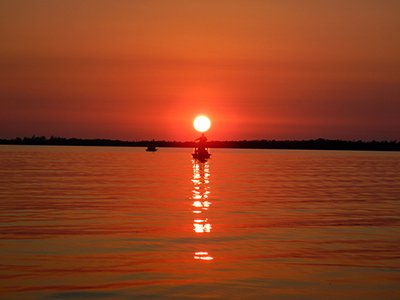
The second-largest Cuban island and the seventh-largest island in the West Indies, also one of the most colourful.
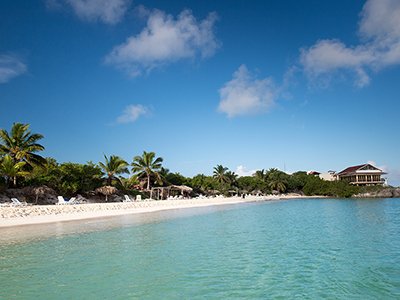
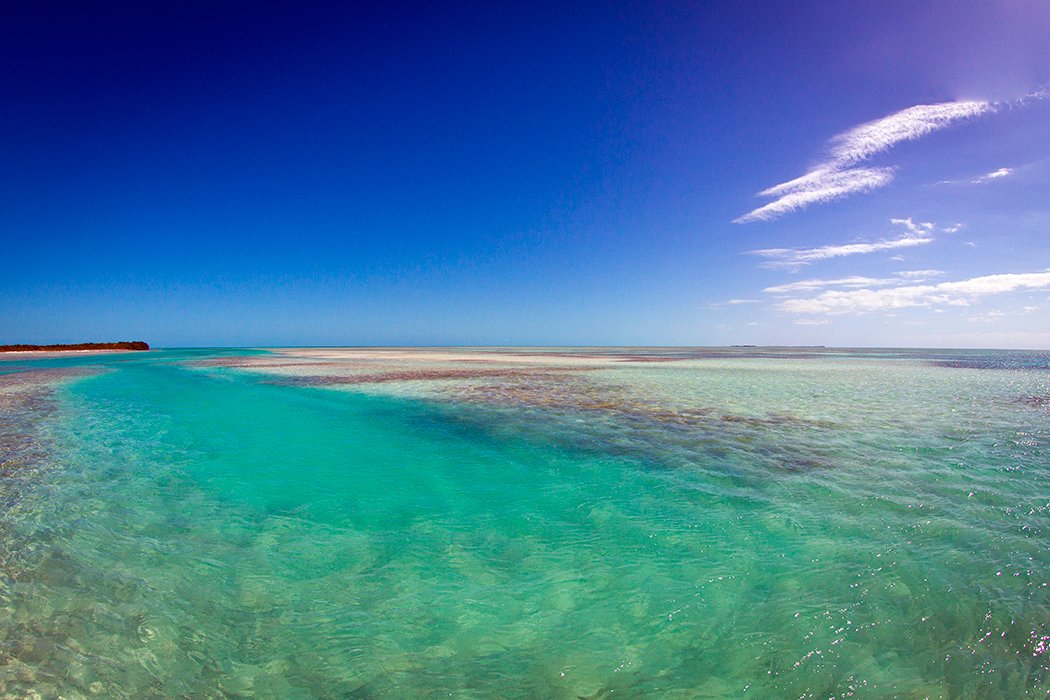
Developed on the coral reef system, between the Atlantic Ocean, the Bay of Buena Vista and Bay of Jiguey.
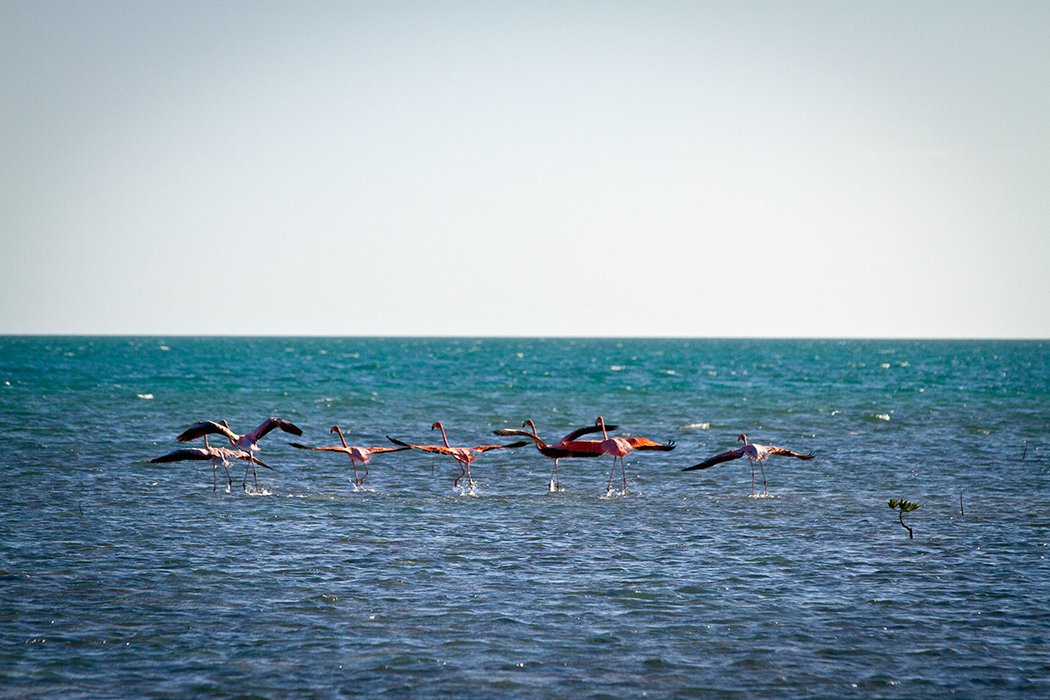
Zapata Swamp is a heritage of humanity thanks to the Cuban Governments Presentation to UNESCO in 2003.